
Luxury Fabrics in Interior Design: Why Textiles Are Defining Modern Craftsmanship
Introduction
In 2026, interior design is becoming increasingly multi-sensory. Beyond colour and form, designers are focusing on how spaces feel — and fabrics are at the centre of this shift.
From richly textured wall coverings to bespoke upholstered elements, fabrics are transforming interiors into layered, tactile environments. Specialists like Hare & Humphreys are leading this movement, integrating traditional decorative techniques with contemporary textile applications to create truly distinctive spaces.
The Role of Fabrics in Interior Design
Fabrics are no longer limited to soft furnishings. Today, they are a core architectural element, used to add warmth, texture, and visual depth.
At Hare & Humphreys, fabrics are often incorporated into wider decorative schemes alongside finishes such as gilding, trompe l’oeil, and polished plaster. Our expertise allows us to:
-
Integrate textiles seamlessly into heritage restoration projects
-
Develop bespoke finishes that complement architectural details
-
Work collaboratively with designers to achieve cohesive interiors
Our work spans everything from historic buildings to contemporary luxury spaces, demonstrating how textiles can enhance both.
Why Fabric-Led Interiors Are Trending in 2026
1. The Rise of Tactile Design
Flat, minimal interiors are being replaced by layered textures. Fabrics — from linens to silks — introduce softness and depth that hard materials cannot replicate.
Luxury textiles such as silk, jacquard, and embroidery are increasingly used for upholstery, drapery, and wall applications, bringing richness and visual complexity to interiors.
2. Heritage Meets Contemporary Living
There is a growing appreciation for traditional craftsmanship and heritage materials. Fabrics inspired by historic patterns — including damasks, florals, and woven textures — are being reinterpreted for modern interiors.
Collections today often blend classic influences with contemporary design, making them highly versatile across different styles.
3. Sustainable and Long-Lasting Materials
Natural fibres such as linen, cotton, and silk are gaining popularity due to their durability and sustainability. These materials not only age beautifully but also support the shift toward more responsible design choices.
Types of Fabrics Used in Luxury Interiors
Silk & Satin
Known for their sheen and elegance, silk fabrics add a refined, luxurious finish to curtains, wall panels, and upholstery.
Linen & Natural Fibres
Linen offers a softer, more relaxed aesthetic — ideal for creating understated, contemporary interiors with a natural feel.
Jacquard & Embroidered Textiles
These fabrics feature intricate woven or stitched patterns, adding depth and visual interest to furniture and decorative elements.
Performance & Modern Blends
Contemporary fabrics now combine beauty with functionality — offering durability, stain resistance, and versatility for high-traffic environments.
How Hare & Humphreys Uses Fabrics Creatively
What sets Hare & Humphreys apart is our ability to treat fabrics as part of a complete decorative scheme, rather than standalone elements.
Our approach includes:
-
Combining fabrics with decorative painting and finishes
-
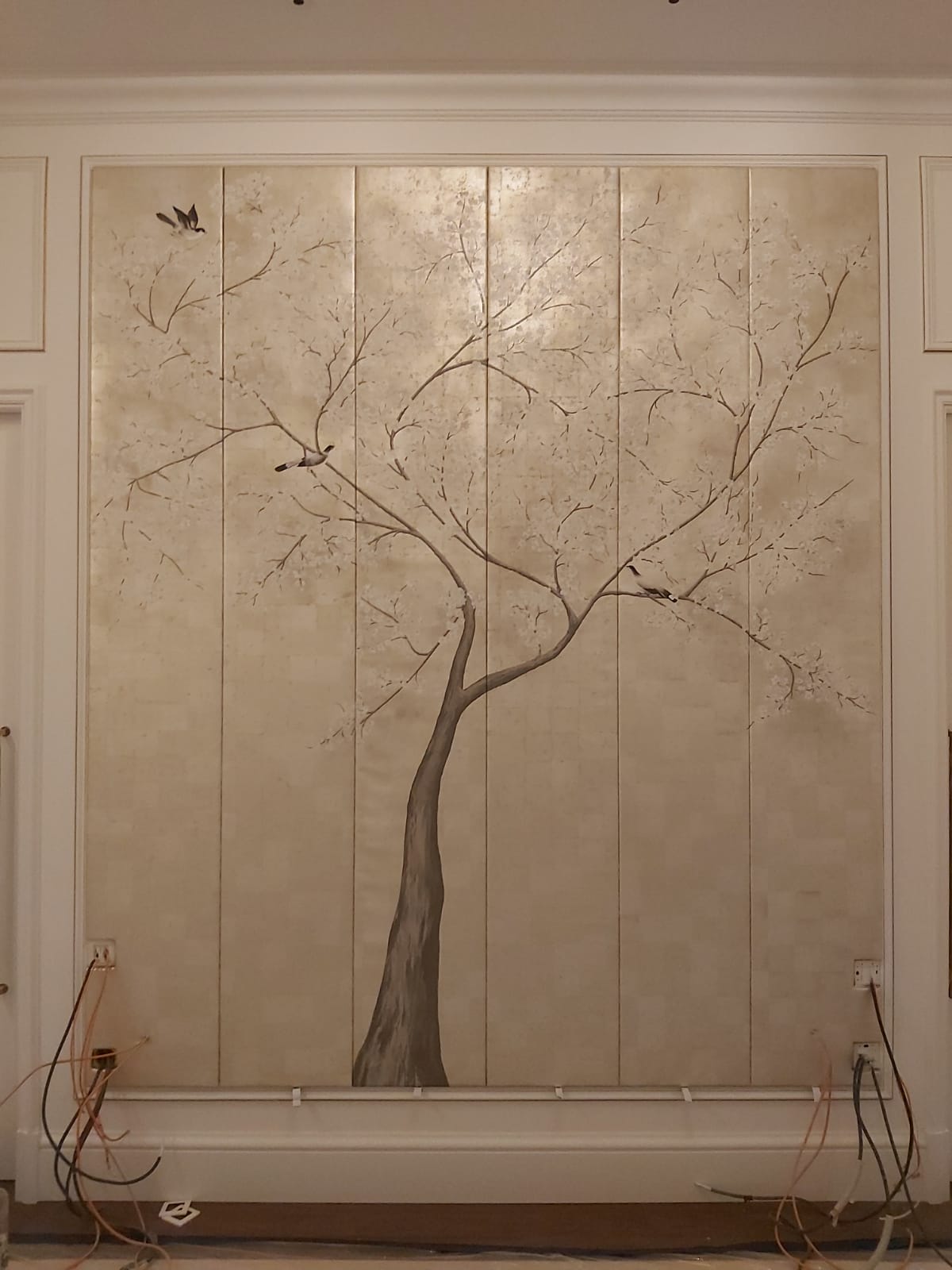
Creating bespoke wall treatments and panels
-
Enhancing interiors through layered textures and materials
With access to an extensive library of finishes and samples, we can tailor each project to meet the exact vision of designers and clients.
Where Fabric Finishes Work Best
Fabrics can transform a wide range of interior environments:
-
Luxury residential homes – curtains, upholstered walls, bespoke furniture
-
Hospitality spaces – hotels, restaurants, private members’ clubs
-
Heritage buildings – restoring period-appropriate interiors
-
Commercial environments – adding warmth and acoustic benefits
Their versatility makes them essential for creating interiors that feel both inviting and refined.
The Future of Interior Design Is Layered
As design trends continue to evolve, one thing is clear: texture is the new luxury. Fabrics play a central role in this shift, offering a way to create interiors that feel rich, comfortable, and timeless.
By combining traditional craftsmanship with innovative applications, Hare & Humphreys demonstrates how textiles can elevate spaces beyond aesthetics — creating environments that engage the senses and stand the test of time.
Conclusion
Fabrics are no longer just decorative additions — they are fundamental to modern interior design. From heritage-inspired textiles to cutting-edge performance materials, they offer endless possibilities for creating distinctive, high-end interiors.
For architects, designers, and homeowners alike, investing in expertly crafted fabric finishes is a powerful way to bring depth, character, and lasting quality into any space.