
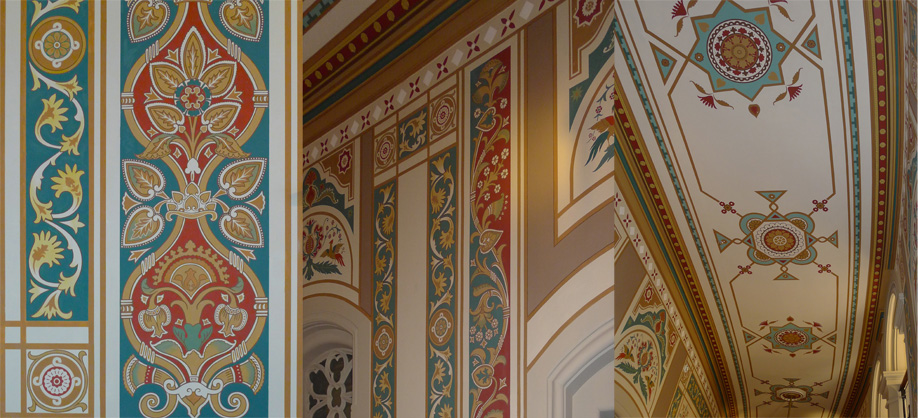
Decorative Stencil Finishes: The Interior Design Trend Bringing Pattern and Craftsmanship Back to Walls
Introduction
In 2026, interior design is shifting toward individuality, artistry, and handcrafted detail. As homeowners and designers move away from mass-produced finishes, decorative stencil work is emerging as a powerful way to create bespoke, characterful interiors.
Specialists like Hare & Humphreys are elevating stencil techniques beyond simple decoration — transforming them into refined, architectural finishes that blend heritage craftsmanship with contemporary design.
What Is Decorative Stencilling?
Stencilling is a decorative painting technique that uses cut-out patterns to apply repeated or layered designs onto surfaces such as walls, ceilings, and furniture.
Traditionally used in both fine art and interior decoration, stencilling allows artisans to create:
- Precise, repeatable patterns
- Layered, multi-colour designs
- Intricate detailing without wallpaper
Unlike printed wallcoverings, stencil finishes are hand-applied, giving them a softer, more organic feel that enhances the overall space.
Why Stencil Finishes Are Trending in 2026
1. The Rise of Handcrafted Interiors
A growing “anti-perfect” movement in design is driving demand for visible craftsmanship and human touch. Hand-painted elements — including stencil work — add authenticity and personality to interiors.
2. Pattern and Colour Are Back
After years of minimalism, bold patterns and layered colour are making a comeback. Decorative painting — including stencil work — is being used to create custom, expressive interiors.
3. Bespoke Alternatives to Wallpaper
Stencilling offers a more flexible and customised alternative to wallpaper. Designs can be adapted in scale, colour, and placement — making each project completely unique.
4. Texture and Dimension
Modern stencil techniques are evolving beyond flat patterns. Trends like 3D stencilling introduce texture and depth, transforming walls into sculptural features.
The Craft Behind Stencil Finishes
While stencilling may seem simple, high-end decorative stencil work requires precision, planning, and artistry.
At Hare & Humphreys, the process typically involves:
- Designing or selecting bespoke patterns
- Preparing and priming surfaces
- Carefully aligning and applying stencil layers
- Building depth through colour, glaze, or texture
Multiple layers can be used to create rich, multi-dimensional effects, from subtle tonal patterns to bold decorative statements.
Types of Stencil Designs in Modern Interiors
Geometric Patterns
Clean, structured designs such as chevrons, hexagons, or Art Deco motifs — ideal for contemporary spaces.
Botanical & Organic Motifs
Leaf and floral patterns bring a natural, calming aesthetic, often used in bedrooms and living spaces.
Damask & Classical Designs
Inspired by historic interiors, these patterns add elegance and formality — perfect for heritage properties.
Borders & Architectural Details
Stencil work can be used to highlight cornices, ceilings, and joinery, creating subtle decorative accents.
3D & Textured Stencils
By combining plaster or filler with stencils, artisans can create raised, tactile surfaces that feel sculptural and luxurious.
Where Stencil Finishes Work Best
Decorative stencil work is highly versatile and can enhance a wide range of spaces:
- Luxury residential homes – feature walls, hallways, ceilings
- Hospitality interiors – boutique hotels, restaurants, members’ clubs
- Heritage buildings – restoring or replicating historic patterns
- Commercial spaces – adding brand identity and visual interest
Because stencil designs can be scaled and customised, they work equally well in both large statement areas and subtle detailing.
Why Choose Hare & Humphreys?
Hare & Humphreys is one of the UK’s leading specialists in decorative finishes, known for combining traditional craftsmanship with contemporary design.
Our stencil services stand out for:
- Bespoke, hand-crafted designs tailored to each project
- Expertise in both heritage restoration and modern interiors
- Integration with other finishes such as gilding, plaster, and paint effects
Our work transforms stencil techniques into elevated, architectural features rather than simple decoration.
Stencilling vs Wallpaper
While wallpaper offers convenience, stencil finishes provide:
- Greater customisation
- A hand-painted, artisanal quality
- Flexibility to adapt over time
Stencilling allows designers to create truly unique interiors, rather than repeating a standard pattern.
Conclusion: Pattern with Purpose
As interior design continues to embrace craftsmanship, individuality, and layered detail, stencil finishes are proving to be more relevant than ever.
They offer:
- Pattern without repetition
- Craftsmanship without compromise
- Creativity without limits
For designers and homeowners seeking distinctive interiors, stencil work is more than a decorative technique — it’s a statement of artistry and personal expression.