
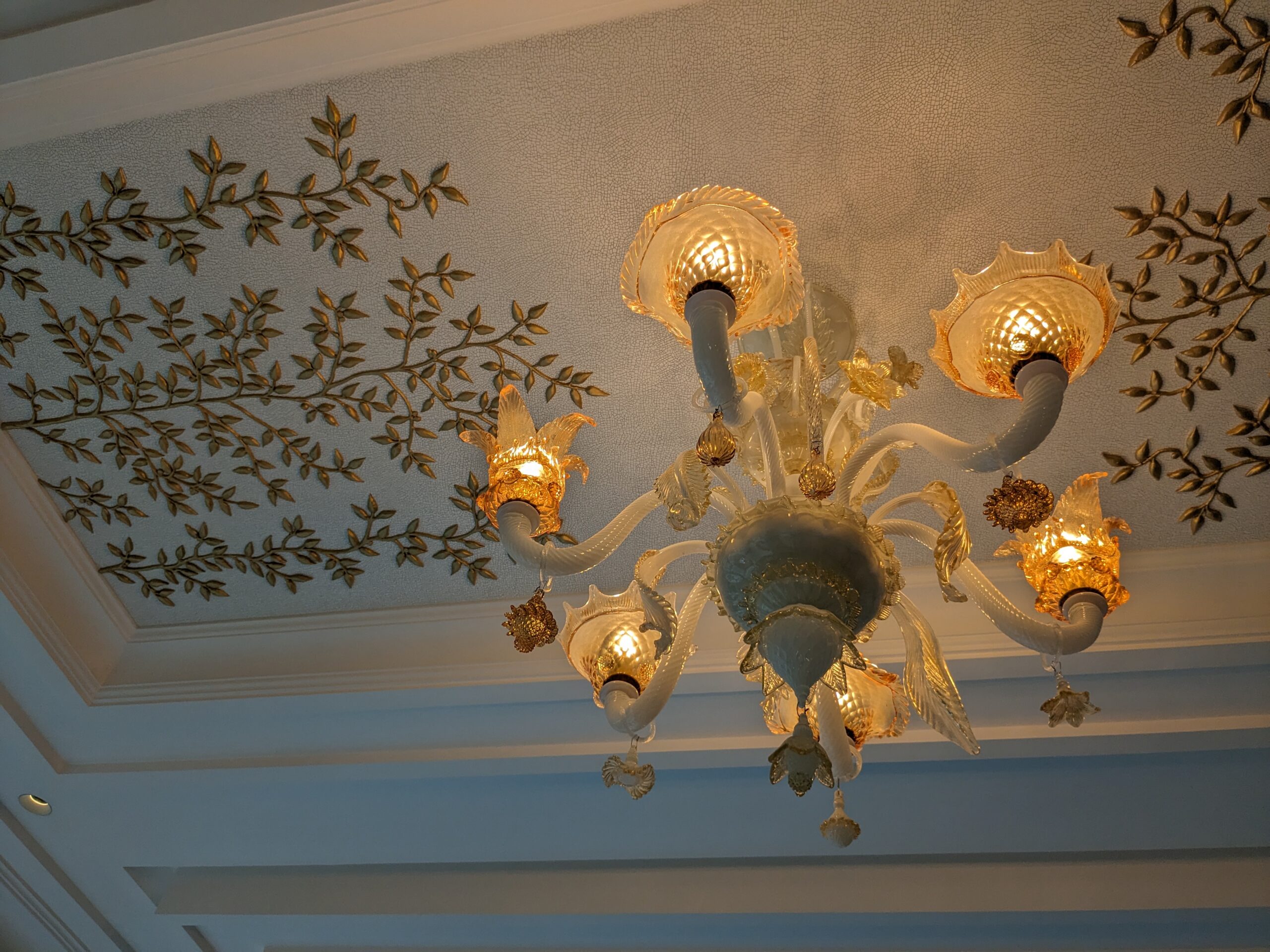
Decorative Plaster: The Interior Design Trend Bringing Craftsmanship Back to Luxury Spaces
Introduction
In 2026, interior design is shifting away from flat, mass-produced finishes toward texture, craftsmanship, and authenticity. One of the most prominent trends leading this movement is decorative plaster — a timeless technique now redefining both heritage restoration and contemporary interiors.
Specialists like Hare & Humphreys are at the forefront of this revival, combining traditional artistry with modern design to create interiors that feel both distinctive and enduring.
What Is Decorative Plaster?
Decorative plaster refers to a wide range of handcrafted finishes used to add depth, texture, and architectural interest to walls and ceilings. From ornate historic detailing to sleek contemporary surfaces, it offers unmatched versatility.
At Hare & Humphreys, decorative plaster includes:
-
Intricate cornices and mouldings
-
Ornate ceiling roses and relief panels
-
Bespoke architectural features tailored to each project
These elements are created using traditional techniques such as lime plaster, hand modelling, and casting — ensuring authenticity and long-term durability.
Why Decorative Plaster Is Trending in 2026
1. The Rise of Textured Interiors
Minimalism is evolving. Designers are moving toward layered, tactile surfaces that add warmth and visual interest. Decorative plaster introduces subtle shadows and depth that paint alone cannot achieve.
2. Heritage Craft Meets Modern Living
There’s a growing demand for interiors that feel timeless rather than trend-driven. Decorative plaster bridges this gap — equally suited to restoring historic buildings or elevating modern spaces with classical detailing.
3. Sustainable, Long-Lasting Design
Unlike disposable décor trends, plaster finishes are durable and breathable, often made from natural materials like lime and marble dust. This aligns with the increasing focus on sustainability in architecture and design.
From Period Properties to Contemporary Interiors
Hare & Humphreys has built a reputation as one of Britain’s leading specialists in decorative finishes, working across both historic and modern environments.
Our decorative plaster services include:
-
Conservation and restoration of listed buildings
-
Bespoke plaster design for luxury residential projects
-
Collaborations with architects and designers on high-end interiors
Whether preserving original features or creating entirely new schemes, our approach combines technical precision with artistic craftsmanship.
Types of Decorative Plaster Finishes
Polished Plaster (Venetian Plaster)
A smooth, marble-like finish that reflects light beautifully, often used in modern luxury interiors. It’s created using lime putty and marble dust applied in thin layers and burnished by hand.
Traditional Ornamental Plasterwork
Includes cornices, ceiling roses, and detailed mouldings that add classical elegance and architectural definition.
Textured & Specialist Finishes
From matte, softly clouded surfaces to highly polished finishes, decorative plaster can be tailored to suit any interior style — from minimalist to richly traditional.
Where Decorative Plaster Works Best
Decorative plaster is increasingly used across:
-
Luxury residential homes – feature walls, ceilings, staircases
-
Hospitality spaces – boutique hotels, restaurants, private clubs
-
Heritage buildings – restoration of historic interiors
-
Commercial spaces – adding texture and premium identity
Its ability to adapt to both traditional and contemporary settings makes it one of the most versatile finishes available today.
Why Choose a Specialist Like Hare & Humphreys?
Decorative plaster requires a high level of expertise — from understanding materials to executing fine detail work.
Hare & Humphreys stands out for:
-
Decades of experience in heritage conservation and luxury interiors
-
A team of skilled artisans blending traditional and modern techniques
-
A proven track record on prestigious UK projects
Founded in 1987 and awarded a Royal Warrant for work on Windsor Castle, our reputation is built on quality, precision, and craftsmanship excellence.
Conclusion: The Future of Interiors Is Textured
As design trends continue to evolve, decorative plaster is proving that true luxury lies in detail, texture, and craftsmanship.
From ornate heritage restoration to sleek modern finishes, it offers a timeless solution for creating interiors that feel both unique and enduring.
For architects, designers, and homeowners alike, decorative plaster is more than a finish — it’s a statement of quality, artistry, and long-term value.