
Wallpaper in 2026: The Interior Design Trend Turning Walls into Statement Features
Introduction
In 2026, wallpaper is no longer just a decorative afterthought — it has become a central design feature in luxury interiors. As designers move away from flat, minimalist walls, wallpaper is being used to create depth, texture, and personality.
Specialists like Hare & Humphreys are redefining wallpaper through bespoke application and decorative finishes, transforming it into a refined, architectural element that enhances both contemporary and heritage spaces.
Why Wallpaper Is Back in a Big Way
Wallpaper has undergone a major transformation in recent years. Today, it is valued not just for pattern, but for its ability to shape the entire atmosphere of a space.
In 2026, wallpaper is increasingly seen as a primary design material, rather than a secondary layer, helping to define mood, texture, and identity within interiors.
Key Wallpaper Trends in 2026
1. Textured & Tactile Wallcoverings
One of the biggest trends is the rise of textured wallpaper, including finishes that mimic:
- Linen and fabric
- Grasscloth and natural fibres
- Cork and wood veneer
These materials add depth, warmth, and a sensory quality, making interiors feel more inviting and layered .
2. Heritage Patterns Reimagined
Classic designs such as damask, florals, and stripes are being reinterpreted for modern interiors.
Rather than feeling traditional, these patterns are:
- Softer in tone
- More refined in detail
- Designed to work across entire rooms
This “heritage revival” trend blends timeless elegance with contemporary styling .
3. Wallpaper as Art
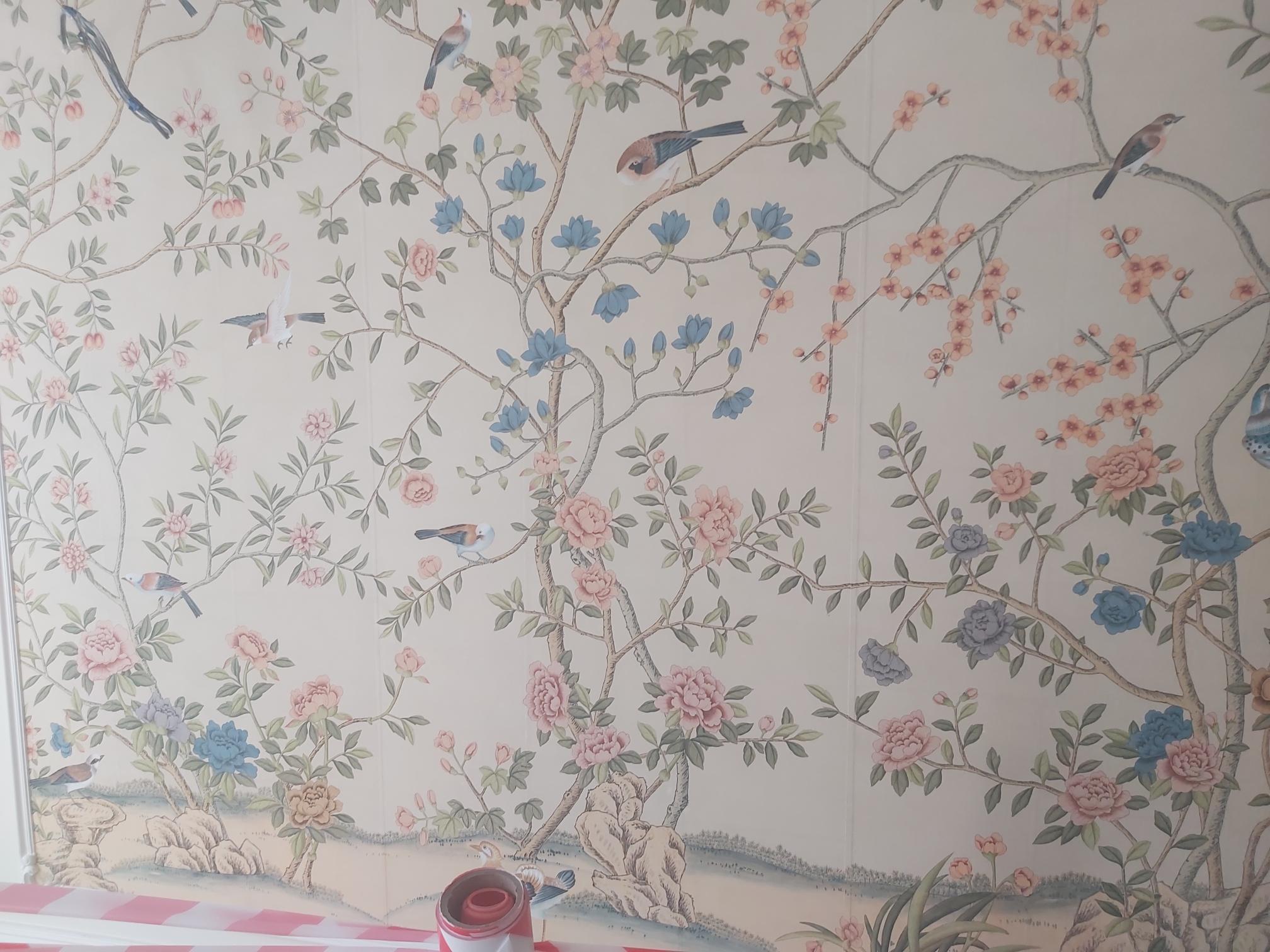
Wallpaper is increasingly being used as a statement feature, with large-scale panels and mural-style designs acting as focal points.
This approach transforms walls into:
- Artistic centrepieces
- Storytelling elements
- Immersive visual experiences
Designers are treating wallpaper like framed artwork on a grand scale .
4. Nature-Inspired Designs
Biophilic design continues to influence interiors, with wallpapers featuring:
- Botanical patterns
- Landscape scenes
- Earthy colour palettes
These designs help create calm, restorative environments, reflecting a growing focus on wellbeing .
5. Layered Patterns & Maximalism
Rather than a single feature wall, designers are embracing layered interiors — combining wallpaper with other textures and finishes.
This creates spaces that feel:
- Curated rather than styled
- Rich in detail and character
- Visually dynamic without being overwhelming
The Craft Behind Luxury Wallpaper Finishes
While wallpaper itself has evolved, the real difference in high-end interiors lies in how it is applied and finished.
At Hare & Humphreys, wallpaper becomes part of a wider decorative scheme, often enhanced through:
- Hand-painted detailing
- Glazing and ageing techniques
- Integration with plaster, gilding, or mural work
This approach elevates wallpaper from a surface covering to a fully integrated design feature.
Where Wallpaper Works Best
Wallpaper is incredibly versatile and can transform a wide range of interiors:
- Luxury residential homes – bedrooms, living rooms, hallways
- Hospitality spaces – hotels, restaurants, private clubs
- Heritage properties – restoring period character
- Commercial interiors – creating brand-led environments
In 2026, wallpaper is also being used beyond walls — including ceilings, joinery, and alcoves, adding further depth and cohesion to spaces.
Why Choose Hare & Humphreys?
Hare & Humphreys is one of the UK’s leading specialists in decorative finishes, known for combining traditional craftsmanship with contemporary design.
Our wallpaper services stand out for:
- Bespoke application tailored to each project
- Expertise in both heritage restoration and modern interiors
- Integration with other decorative techniques for a layered finish
Our work ensures wallpaper is not just applied — but transformed into a defining feature of the space.
Wallpaper vs Paint: Why It Matters
Compared to paint, wallpaper offers:
- Greater depth and texture
- More design flexibility
- The ability to create statement surfaces
While paint provides simplicity, wallpaper delivers character, richness, and visual impact.
Conclusion: Walls as the New Focal Point
As interior design continues to evolve, wallpaper is proving that walls can be more than just a backdrop — they can be the defining element of a space.
It offers:
- Texture instead of flatness
- Expression instead of neutrality
- Craftsmanship instead of repetition
For designers and homeowners seeking distinctive interiors, wallpaper is more than a trend — it’s a foundation of modern luxury design.