
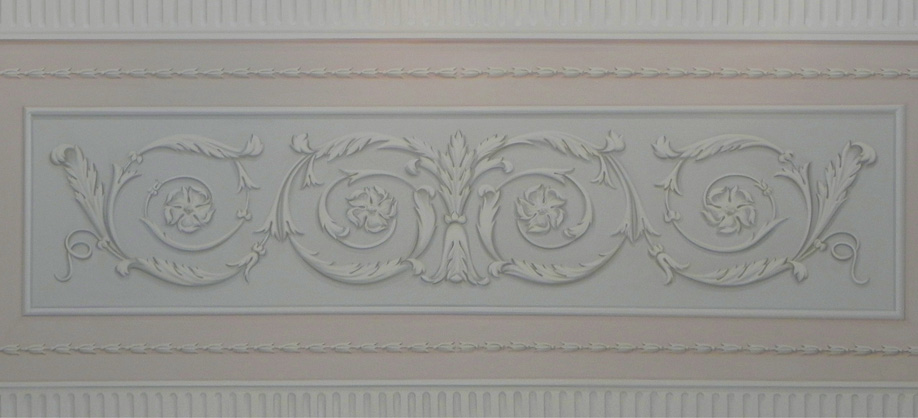
Trompe l’Oeil: The Illusionary Art Transforming Walls into Architectural Masterpieces
Introduction
In 2026, interior design is embracing storytelling, artistry, and immersive environments. As homeowners and designers move away from flat, minimal spaces, there is a growing demand for finishes that engage the eye and spark imagination.
One of the most striking techniques leading this movement is trompe l’oeil — a centuries-old decorative art that creates optical illusions on walls and ceilings. Specialists like Hare & Humphreys are reviving and reinterpreting this technique, transforming interiors into visually dynamic, one-of-a-kind spaces.
What Is Trompe l’Oeil?
Trompe l’oeil (French for “deceive the eye”) is a painting technique designed to create the illusion of three-dimensional space on a flat surface.
Using perspective, shading, and fine detail, artists can make walls appear to feature:
- Architectural elements like columns, arches, and mouldings
- Windows opening onto landscapes
- Sculptural reliefs or decorative panels
- Textures such as stone, wood, or plaster
At Hare & Humphreys, trompe l’oeil is executed with exceptional precision, ensuring each illusion feels convincing, immersive, and seamlessly integrated into the space.
Why Trompe l’Oeil Is Trending in 2026
1. The Rise of Storytelling Interiors
Modern interiors are increasingly designed to tell a story and evoke emotion. Trompe l’oeil transforms walls into narrative elements, creating spaces that feel layered and personal.
2. Immersive Design Experiences
In 2026, interiors are becoming more experiential. Large-scale wall treatments — including murals and illusionary finishes — are being used to create fully immersive environments.
3. Maximalism with Meaning
The return of maximalism is driving demand for bold, artistic statements. Trompe l’oeil fits perfectly within this trend, offering visual richness while maintaining craftsmanship and intention.
4. The Revival of Heritage Techniques
As designers revisit traditional craftsmanship, historic decorative arts like trompe l’oeil are being reintroduced into modern interiors — blending classical skill with contemporary design.
5. Illusion as a Design Tool
Trompe l’oeil is not just decorative — it can also enhance space perception, making rooms feel larger, taller, or more architecturally detailed without structural changes.
The Craft Behind Trompe l’Oeil
Creating a convincing trompe l’oeil finish requires a high level of artistic and technical expertise.
At Hare & Humphreys, the process typically involves:
- Concept design tailored to the architecture
- Precise mapping of perspective and scale
- Layered hand-painting to build depth and realism
- Fine detailing to achieve optical illusion
Every project is bespoke, ensuring the final result is perfectly aligned with the space and client vision.
Types of Trompe l’Oeil in Modern Interiors
Architectural Illusions
Painted columns, cornices, and panelling that add depth and grandeur without construction.
Scenic Murals
Landscapes, skies, or cityscapes that extend the perceived boundaries of a room.
Faux Material Effects
Illusions that replicate marble, stone, wood, or metal with remarkable realism.
Contemporary Illusions
Modern interpretations using abstract forms, bold geometry, or subtle shadow play.
Where Trompe l’Oeil Works Best
Trompe l’oeil can elevate a wide range of interiors:
- Luxury residential homes – feature walls, dining rooms, hallways
- Hospitality spaces – hotels, restaurants, private members’ clubs
- Commercial interiors – retail spaces and offices
- Heritage properties – restoring or recreating historic decoration
It is particularly effective in spaces where architecture is limited, allowing designers to add depth and drama through illusion.
Why Choose Hare & Humphreys?
Hare & Humphreys is one of the UK’s leading specialists in decorative finishes, with extensive experience in both heritage restoration and contemporary interiors.
Our trompe l’oeil services stand out for:
- Bespoke, hand-painted designs tailored to each project
- Mastery of traditional artistic techniques
- Collaboration with architects and designers
Our work transforms surfaces into illusionary works of art, adding depth, drama, and individuality to any space.
Trompe l’Oeil vs Wallpaper or Digital Prints
While printed wall coverings can mimic patterns, trompe l’oeil offers:
- True depth and realism
- Complete customisation
- A hand-crafted, artistic quality
It turns walls into integrated architectural features, rather than applied decoration.
Conclusion: Illusion Meets Luxury
As interior design continues to prioritise experience, craftsmanship, and individuality, trompe l’oeil is emerging as one of the most exciting finishes of modern luxury.
It offers:
- Illusion instead of flatness
- Storytelling instead of simplicity
- Craftsmanship instead of replication
For designers and homeowners seeking truly unique interiors, trompe l’oeil is more than a decorative technique — it’s a transformative art form.