
Paint Effects: Stippling, Dragging & Glazing – The Return of Layered Luxury in Interior Design
Introduction
In 2026, interior design is embracing a new level of sophistication — one that goes beyond colour into texture, depth, and craftsmanship. As flat, uniform walls fall out of favour, decorative paint effects are making a strong comeback.
Among the most sought-after techniques are stippling, dragging, and glazing — timeless methods that add subtle movement and richness to interiors. Specialists like Hare & Humphreys are leading this revival, transforming surfaces into layered, atmospheric finishes that elevate both heritage and contemporary spaces.
What Are Paint Effects?
Paint effects are decorative techniques that use layering, texture, and specialised application methods to create depth and visual interest on surfaces.
At Hare & Humphreys, three key techniques are used:
- Stippling – applying paint in soft dabs to create a mottled, textured surface
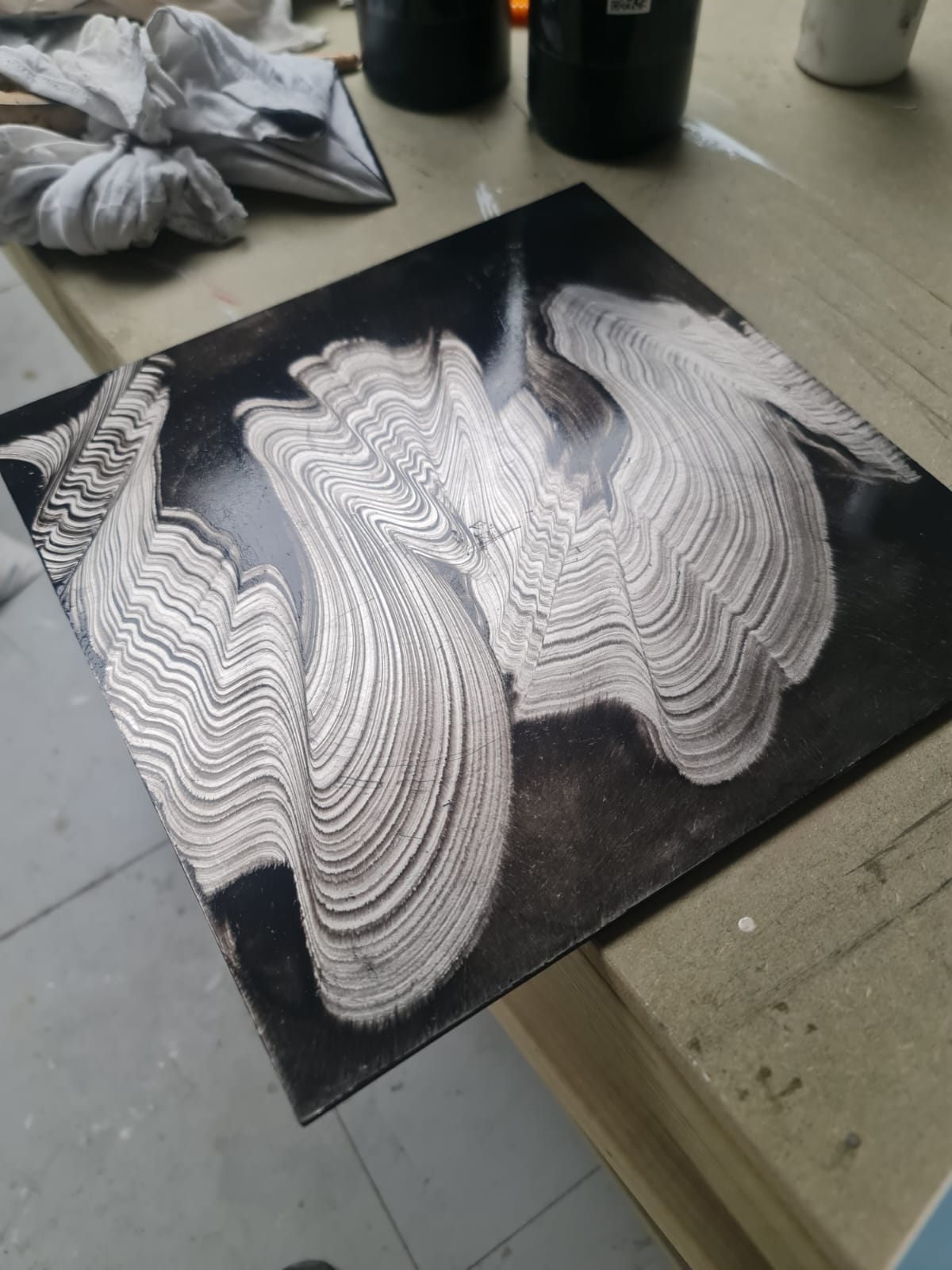
- Dragging – pulling a brush or comb through wet paint to reveal layered patterns
- Glazing – adding translucent layers of colour to build depth and luminosity
These techniques can be used individually or combined to create finishes that feel rich, nuanced, and completely bespoke.
Why Paint Effects Are Trending in 2026
1. The Rise of Layered Interiors
Modern interiors are becoming more expressive and multi-dimensional, moving away from single-tone walls toward layered finishes that create depth and personality.
2. Texture Over Flat Surfaces
Designers are increasingly using tactile finishes to add warmth and interest. Techniques like stippling and glazing introduce subtle variation that changes with light throughout the day.
3. Personalised, Handcrafted Spaces
Homeowners are prioritising interiors that feel unique and curated. Decorative paint effects offer a bespoke alternative to wallpaper or standard paint, aligning with the broader trend toward individuality.
4. Colour with Depth and Emotion
In 2026, colour is being used more intentionally — not just as decoration, but as a way to create mood and atmosphere. Layered paint techniques like glazing enhance this by adding soft tonal shifts and visual richness.
The Three Key Techniques Explained
Stippling: Soft Texture and Subtle Movement
Stippling involves applying paint in small dots or dabs, creating a soft, cloud-like texture.
- Ideal for adding warmth and depth
- Works well in living rooms and bedrooms
- Creates a gentle, diffused finish
Historically used in classic interiors, stippling is now being reinterpreted in modern schemes to add understated elegance.
Dragging: Natural Texture and Grain Effects
Dragging uses a brush or comb to pull through wet paint, revealing the layers beneath.
- Creates a linear, textured effect
- Can mimic natural materials like wood or fabric
- Adds structure and rhythm to walls
This technique is particularly effective in spaces where you want a sense of movement and direction.
Glazing: Depth, Light, and Atmosphere
Glazing involves applying translucent layers of paint over a base coat.
- Builds depth and luminosity
- Enhances colour richness
- Creates a soft, reflective quality
When combined with other techniques, glazing can produce finishes that feel almost three-dimensional.
Where Paint Effects Work Best
Paint effects are highly versatile and can transform a wide range of interiors:
- Luxury residential homes – feature walls, dining rooms, studies
- Hospitality spaces – boutique hotels, restaurants, members’ clubs
- Heritage properties – restoring traditional decorative schemes
- Commercial interiors – adding texture and brand identity
They are especially effective in spaces where lighting can interact with the surface, enhancing the depth and variation of the finish.
The Craft Behind the Finish
While paint effects may appear effortless, achieving a refined result requires skill, precision, and experience.
At Hare & Humphreys, artisans:
- Carefully build layers of colour and texture
- Adjust techniques based on light and architecture
- Create finishes that feel natural rather than artificial
The result is a surface that is not just decorative — but deeply connected to the space and its design narrative.
Why Choose Hare & Humphreys?
Hare & Humphreys is one of the UK’s leading specialists in decorative finishes, known for combining traditional craftsmanship with contemporary design.
Our paint effects services stand out for:
- Bespoke finishes tailored to each project
- Expertise in both heritage restoration and modern interiors
- A collaborative approach with architects and designers
Our work demonstrates how paint can move beyond a simple coating — becoming a key design feature.
Paint Effects vs Standard Paint
Compared to flat paint finishes, decorative techniques offer:
- Greater depth and visual interest
- A handcrafted, bespoke quality
- The ability to respond to light and architecture
They transform walls from passive surfaces into active design elements.
Conclusion: The Future Is Layered
As interior design continues to evolve, paint effects like stippling, dragging, and glazing are proving that true luxury lies in detail and craftsmanship.
They offer:
- Texture instead of flatness
- Depth instead of simplicity
- Artistry instead of uniformity
For designers and homeowners seeking distinctive interiors, these techniques are more than a trend — they are a return to timeless decorative artistry.