
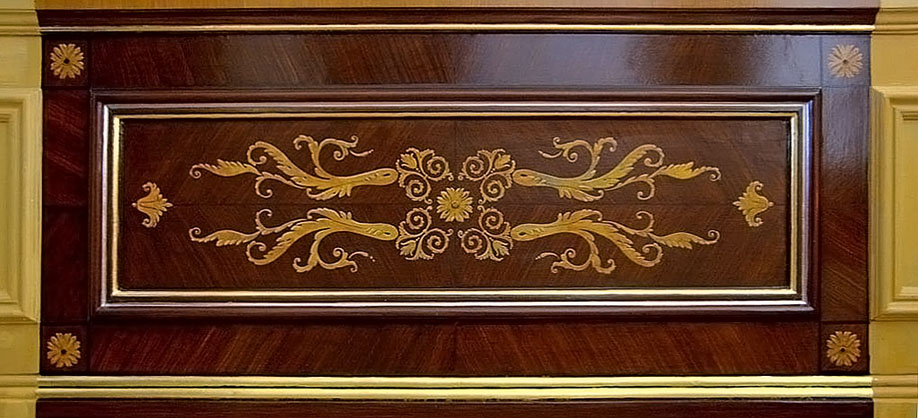
Faux Marble & Wood Finishes: The Craft Redefining Luxury Interiors in 2026
Introduction
In today’s design landscape, luxury is no longer defined by cost alone — it’s about craftsmanship, character, and creativity. One of the most exciting trends shaping high-end interiors in 2026 is the revival of faux painting, particularly faux marble and faux wood finishes.
Blending artistry with practicality, these techniques are being reimagined for modern spaces by specialists like Hare & Humphreys, who bring traditional decorative skills into contemporary design.
What Is Faux Painting?
Faux painting (or faux finishing) refers to decorative techniques that replicate the appearance of natural materials such as marble, wood, or stone using paint and glaze.
Dating back thousands of years, these techniques were historically used in grand interiors to imitate expensive materials — and today, they remain a hallmark of skilled craftsmanship and design innovation.
Two of the most sought-after finishes include:
-
Faux marble (marbling) – recreating the veining and depth of real stone
-
Faux wood (wood graining / faux bois) – mimicking natural timber, from oak to mahogany
Why Faux Finishes Are Trending in 2026
1. The Rise of “Warm Minimalism”
Modern interiors are shifting toward warm, textured environments rather than stark, flat spaces. Faux finishes add subtle variation and depth, perfectly aligning with this trend toward more inviting, lived-in design.
2. The Demand for Natural Aesthetics
Designers are embracing materials like wood and stone — and faux finishes allow these looks to be achieved flexibly and creatively without structural limitations.
A recent trend, “wood drenching,” highlights how wood textures are dominating interiors, reinforcing the appeal of wood-inspired finishes.
3. Sustainable and Practical Luxury
Faux finishes provide the beauty of natural materials without the cost, weight, or environmental impact of sourcing and installing them.
This makes them ideal for both heritage restoration and modern design projects.
The Art of Faux Marble
Faux marble, or marbling, is one of the most refined decorative techniques. It involves carefully layering paint and glaze to recreate the veining, translucency, and depth of real marble.
At Hare & Humphreys, faux marble is used to elevate:
-
Columns and architectural features
-
Fireplaces and mantels
-
Wall panels and decorative surfaces
The result is a finish that looks remarkably authentic — often indistinguishable from real stone — while remaining fully bespoke.
The Craft of Faux Wood (Faux Bois)
Faux wood graining, also known as faux bois, is the technique of painting surfaces to resemble natural timber.
This allows artisans to:
-
Transform painted surfaces into rich wood finishes
-
Replicate rare or exotic timbers
-
Restore historic interiors where original materials are no longer available
From rustic, aged beams to polished mahogany effects, faux wood adds warmth, texture, and timeless appeal.
Where Faux Finishes Work Best
Faux marble and wood finishes are incredibly versatile and can be applied across a wide range of interiors:
-
Luxury residential homes – feature walls, fireplaces, cabinetry
-
Hospitality spaces – hotels, restaurants, private clubs
-
Heritage buildings – restoring or replicating original features
-
Commercial interiors – adding high-end visual impact
Because they are hand-painted, every finish is completely unique, tailored to the architecture and design vision.
Why Choose Hare & Humphreys?
Hare & Humphreys is one of the UK’s leading specialists in decorative finishes, known for combining traditional craftsmanship with contemporary design.
Our faux painting services stand out for:
-
Exceptional attention to detail and realism
-
Deep expertise in both historic restoration and modern interiors
-
Bespoke finishes tailored to each project
Our work demonstrates how faux finishes can go beyond imitation — becoming a true art form in their own right.
Conclusion: Craftsmanship Over Convention
As interior design continues to evolve, faux marble and wood finishes are proving that luxury lies in artistry, not just materials.
By combining heritage techniques with modern creativity, these finishes offer a way to create interiors that are:
-
Visually rich
-
Sustainable
-
Completely unique
For designers and homeowners seeking something distinctive, faux painting is more than a trend — it’s a timeless expression of craftsmanship.